Landscape Maintenance Tips for Boosting Curb Appeal All Year
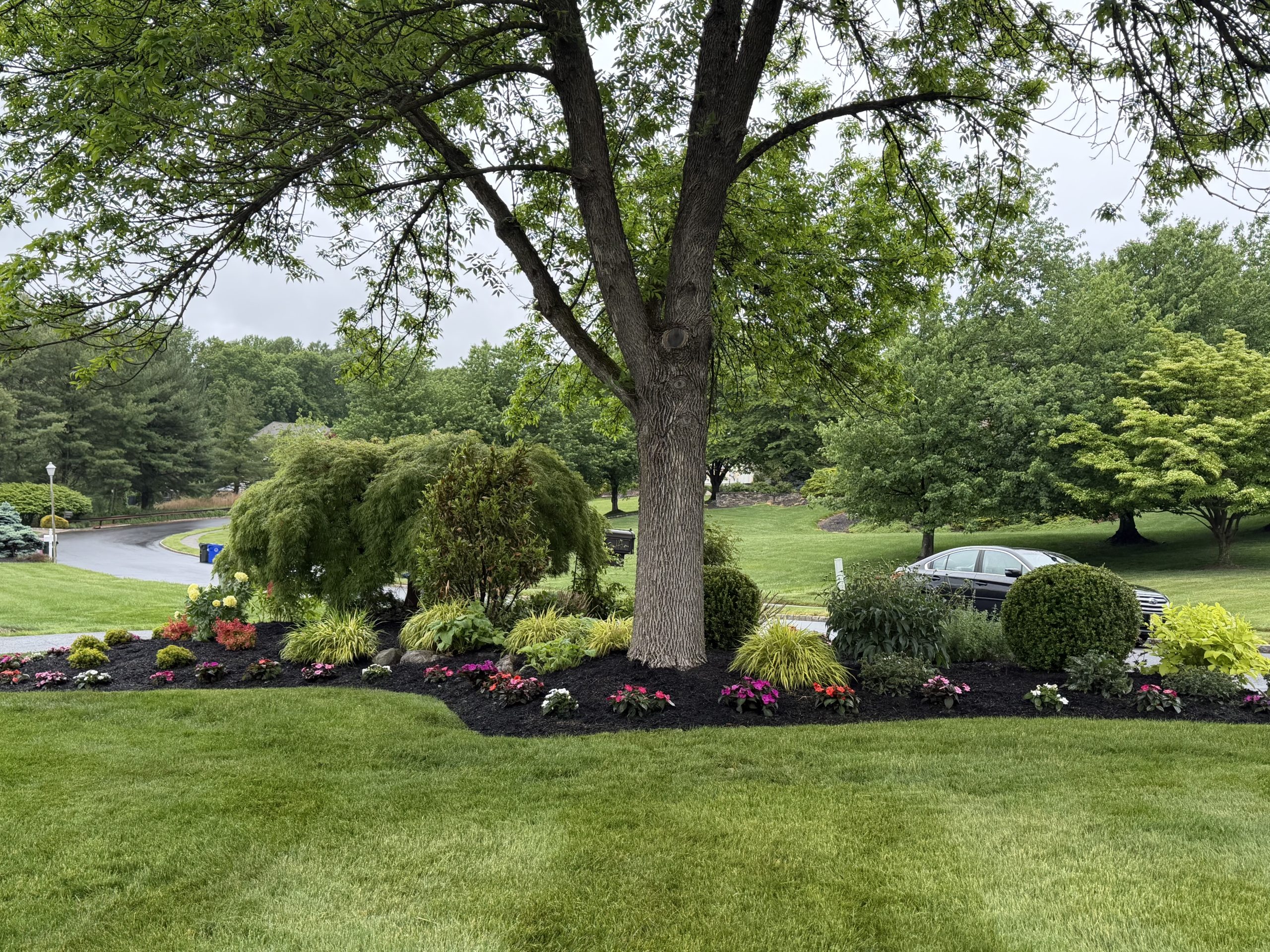
A well-kept landscape changes the way a home is perceived before anyone reaches the front door. It frames the architecture, softens hard edges, and signals that the property is cared for. Curb appeal is not only about beauty, either. Consistent landscape maintenance protects plant health, preserves hardscaping, reduces preventable costs, and can make routine upkeep much easier over time.
The mistake many homeowners make is treating the yard as a series of one-off projects. They mulch in spring, mow through summer, rake in fall, then wonder why the lawn thins out, shrubs overgrow, or beds look tired by midseason. Strong curb appeal usually comes from a steadier rhythm. The best landscapes are not necessarily elaborate. They are coherent, well-edged, seasonally appropriate, and maintained with restraint.
After years of watching properties improve, and others slowly drift into neglect despite good intentions, one lesson keeps proving itself: tidy basics outperform flashy upgrades. A clean edge, healthy turf, pruned shrubs, and fresh mulch often do more for first impressions than expensive specimen plants or oversized decorative features. The details are what make a landscape look polished all year.
Start with the bones of the yard
Every attractive landscape rests on structure. Before worrying about flower color or decorative planters, look at the permanent elements and the broad visual lines of the property. Walk the front yard from the street and again from the driveway. Notice whether beds have clear edges, whether plantings fit the scale of the house, and whether pathways and entry points are easy to read.
Overgrown foundation shrubs are one of the most common curb appeal issues. They hide windows, crowd walkways, and make even a nice home feel dated. Homeowners often keep trimming them into tighter domes, which only thickens the outer shell and leaves the interior sparse. In many cases, selective thinning or replacement is smarter than another round of shearing. If a shrub wants to be eight feet wide and the bed can only handle four, maintenance alone will never make that relationship work.
Tree placement matters just as much. A mature shade tree can anchor the front yard beautifully, but low limbs scraping the roofline or blocking the entry create visual heaviness. Proper pruning opens views, improves light, and gives the property a cleaner profile. It also reduces storm risk, which is one of those practical benefits homeowners appreciate after the first heavy wind event.
Hardscape deserves equal attention. Walkways, borders, retaining walls, and drive edges collect dirt, algae, weeds, and leaf stain slowly enough that homeowners stop seeing it. A simple cleaning can make a property look dramatically fresher. If pavers are uneven or joints are failing, small repairs done early are cheaper and less noticeable than waiting until the surface shifts badly.
Lawn care sets the tone
Even people who say they do not care much about lawns react to a bad one. Turf occupies a large visual field, so problems are hard to hide. Thin spots, ragged mowing, edging creep, and mixed weed patches pull attention away from everything else. That does not mean the lawn has to look like a golf course. It does mean it should appear healthy, intentional, and proportionate to the rest of the landscape.
Mowing height is one of the easiest ways to improve appearance. Many homeowners cut too short because they want to mow less often. The result is stress, shallower roots, faster browning, and more visible weed pressure. Most cool-season lawns look and perform better when kept taller, often around three to four inches depending on the grass type and climate. Warm-season lawns differ, so local conditions matter, but the underlying principle is the same: avoid scalping.
Blade sharpness also matters more than people expect. Dull mower blades tear leaf tissue instead of slicing it cleanly, leaving a grayish cast across the lawn and increasing stress. If the turf looks frayed or whitish a day after mowing, the blade likely needs sharpening. This is one of those small maintenance tasks that pays back immediately in appearance.
Watering habits often separate average landscapes from healthy ones. Frequent, shallow irrigation encourages weak roots and can make turf more dependent on constant watering. Deep, less frequent watering usually leads to stronger growth, assuming soil drainage is reasonable. In heavy clay, the timing may need adjustment to prevent runoff. In sandy soil, cycles may need to be split because water moves through quickly. Good landscape maintenance is rarely about one universal rule. It is about understanding how your specific site behaves.
Fertilization should support steady growth, not force it. Overfed lawns can surge, requiring more mowing and becoming more vulnerable to disease. Underfed lawns lose density and color. A modest, well-timed program matched to grass type and region usually delivers better long-term results than aggressive feeding. The same goes for weed control. Spot treatment is often more sensible than blanket applications if the lawn is otherwise healthy.
Beds are where neatness becomes visible
Planting beds are the visual transition between lawn, home, and ornamental plants. When they are crisp and balanced, the entire property feels more intentional. When they are weedy, washed out, or overmulched, curb appeal drops fast.
Clean edges are the fastest upgrade. A sharply defined bed line gives contrast and makes maintenance look current. It also creates a visual boundary that helps the lawn appear neater. Many professionals can improve a front yard’s appearance in one visit simply by redefining bed edges, pulling visible weeds, and freshening mulch to the correct depth.
That last part matters. Mulch should suppress weeds, moderate soil temperature, and hold moisture, but it is often applied too heavily. Volcanoes piled around tree trunks are especially harmful. Excess mulch traps moisture against bark, encourages rooting in the mulch layer, and can contribute to decline over time. In most ornamental beds, a layer around two to three inches is enough. More is not better.
Plant spacing deserves honest attention. New landscapes often look sparse at installation, which leads people to overplant. Two years later, everything is competing for light and air. Crowded beds are harder to weed, harder to prune, and far more likely to look messy between maintenance visits. Proper spacing can feel restrained at first, but it creates a more durable design.
Color is useful, though it works best when supported by structure. Evergreen forms, tidy shrubs, ornamental grasses, and repeated foliage textures create consistency across the seasons. Flowers provide seasonal lift, but relying on them alone often leads to gaps. A front yard with strong evergreen massing and selective bursts of color usually holds curb appeal far better than one built around short bloom windows.
Pruning with purpose, not reflex
There is a difference between maintenance pruning and habitual cutting. Many landscapes suffer from too much pruning done the wrong way, at the wrong time, with the wrong objective. The goal should be to preserve plant health and natural form while keeping growth in scale with the space.
Shearing every shrub into a ball is common because it is quick, but it is rarely the best visual or horticultural choice. Repeated shearing pushes growth to the exterior and leaves the interior dense, woody, and shaded out. Selective hand pruning takes longer, yet it produces a more natural look and better light penetration. For prominent front-yard shrubs, the visual difference is obvious.
Timing matters. Spring-flowering shrubs set buds well before bloom, so pruning them too late can remove next season’s flowers. Summer-blooming shrubs often tolerate later pruning better. Deciduous trees are usually easiest to assess structurally in dormancy, while damaged or hazardous limbs should be addressed whenever needed. Homeowners do not need a horticulture degree to improve their timing, but they do need to stop treating every plant the same.
One practical standard helps: prune because there is a reason. A branch is dead, crossing, rubbing, blocking a window, interfering with a walkway, or disrupting the plant’s balance. Random cutting to make everything uniformly smaller often creates more work later.
Seasonal maintenance keeps curb appeal from slipping
Landscapes do not decline all at once. They drift. Edges soften, weeds seed out, annuals fade, irrigation heads clog, storm debris gathers in corners. The properties that keep their appeal through every season are the ones where these small issues are handled before they stack up.
Spring is less about making everything bloom and more about resetting the site after winter. That usually means clearing debris, checking for salt or snow damage, cutting back what truly needs cutting, redefining bed edges, and inspecting irrigation. It is also the time to notice plants that did not make it through winter or hardscape areas that shifted with freeze-thaw cycles.
Summer maintenance is mostly about consistency. Lawns need smart mowing and watering. Beds need weeding before it becomes a half-day project. Containers and annual color need deadheading or replacement once they peak. Heat stress shows quickly near driveways, sidewalks, and south-facing foundations, so these areas deserve extra attention. I have seen many front landscapes look excellent from April through early June, then fade hard by July because watering practices never adjusted to rising temperatures.
Fall is underrated for curb appeal. It is when a property can either look settled and intentional or tired and abandoned. Leaves should not be allowed to mat over turf or collect in soggy layers inside beds. Perennials can be cut back selectively, though some seed heads and grasses provide winter structure. Fall is also an excellent window for lawn repair and planting in many regions because soils stay workable while air temperatures ease off.
Winter maintenance is quieter but still visible. Broken branches after storms, displaced mulch, salt damage near walks, and flattened ornamental grasses all affect appearance. Evergreens may https://travisgrmz664.novacrestiq.com/posts/seasonal-landscape-maintenance-checklist-for-every-homeowner need protection from desiccating wind in exposed sites. Entry areas matter more in winter than almost any other time because the rest of the landscape offers less distraction. Clean walkways, visible house numbers, trimmed branches, and a tidy front stoop do a lot of visual work.
Irrigation can help or hurt
Good irrigation keeps a landscape healthy. Bad irrigation creates disease, runoff, wasted water, and uneven growth. Many curb appeal problems that appear to be nutrient or plant issues are really watering issues.
Spray heads that hit pavement instead of planting beds are common. So are blocked nozzles, broken risers, and mismatched heads in the same zone. One side of the lawn ends up lush, while another bakes out. Foundation beds stay soggy in one pocket and dry in another. A midseason irrigation check is worth the time, especially if the system has not been reviewed in a year or two.
Hand watering has its place, but it tends to be inconsistent unless someone is paying close attention. Containers, hanging baskets, and new plantings often need more frequent checks than established shrubs or trees. Deep root-zone watering is especially important for trees during dry stretches. A stressed tree may not show damage immediately, but the effects often become visible the following season.
Rain sensors and seasonal controller adjustments are simple upgrades that prevent overwatering. They are not glamorous, though they often improve both plant performance and maintenance efficiency. That is a recurring truth in landscape maintenance: the best improvements are often practical before they are dramatic.
A front entry should read clearly from the street
Curb appeal is not just about horticulture. It is also about legibility. A visitor or prospective buyer should understand where to go and feel welcomed as they approach. The landscape’s job is to support that experience, not compete with it.
If the walkway disappears behind sprawling plants, trim them back. If the front steps are flanked by mismatched, declining shrubs, simplify the composition. If porch containers are empty or half-dead, remove them until they can be replanted properly. A clean, uncluttered entry almost always feels more upscale than one packed with too many small decorative items.
Lighting can quietly elevate the whole scene. Path lights, uplights on specimen trees, and subtle porch lighting improve safety and make the home look cared for after dark. Poorly placed lights, on the other hand, create glare and can make the property feel harsh. Warm, restrained lighting generally performs best.
The visual relationship between house and yard matters too. Dark mulch against a light facade, clipped evergreens near a formal entry, and softer plant forms near a cottage-style home can all work well when the choices are coherent. Mismatched styles are not fatal, but they often weaken the overall effect.
The best maintenance plan is realistic
One reason landscapes lose curb appeal is that the original design asks for more care than the owner can give. High-maintenance annual beds, thirsty turf in dry climates, fast-growing shrubs in tight spaces, and fussy plants in exposed sites all raise the workload. A realistic plan accepts how the property will actually be maintained.
For some households, that means reducing lawn area in favor of lower-maintenance planting beds or groundcovers. For others, it means simplifying the plant palette so pruning and feeding schedules are easier to manage. There is no shame in choosing durable plants over rare ones if the goal is year-round appearance.
Here are the maintenance habits that make the biggest visible difference on most properties:
- Keep lawn edges crisp along beds, walks, and the driveway.
- Prune shrubs to preserve shape and scale, not just to make them smaller.
- Refresh mulch lightly and correctly, without burying stems or trunks.
- Remove weeds early, before they seed and spread.
- Inspect irrigation and drainage before stress becomes visible.
That list is simple on purpose. People often chase complicated solutions when the basic visual cues are what neighbors and visitors notice first.
Know when replacement beats rescue
Not every plant should be saved. This is a hard call for homeowners because established plants represent time and money, but there are moments when replacement is the more professional choice. A half-dead shrub with bare interior wood, chronic disease, and poor placement will absorb time every year and still look mediocre. Replacing it with a better-suited variety often improves both appearance and maintenance efficiency.
The same logic applies to turf areas that fail repeatedly because of shade, compaction, drainage, or traffic. Sometimes the answer is not more seed and fertilizer. Sometimes it is converting the area to a bed, widening a path, or installing a more site-appropriate surface. Good curb appeal comes from working with the conditions, not fighting them forever.
Mature trees call for more caution because they contribute so much to property value and character. Before removing one, consider whether pruning, soil improvement, or root-zone protection could solve the issue. But if a tree has serious structural defects or is clearly in decline near the house, delaying action can increase both cost and risk.
Common mistakes that quietly age a landscape
A property can be technically maintained and still look tired. Usually that comes down to a handful of subtle mistakes repeated over time. One is letting plants cover architectural features that should remain visible, such as lower windows, porch columns, or stonework. Another is allowing too many unrelated materials and colors into the front yard, which creates visual noise.
There is also the problem of deferred editing. Landscapes evolve, and what looked balanced five years ago may now feel crowded. Beds that once had room to breathe can become overfilled with volunteer seedlings, divided perennials, or “just one more” small shrub. Periodic editing is part of maintenance. Without it, even healthy landscapes lose definition.
A final issue is neglecting the places where different elements meet. Lawn against bed. Walk against mulch. Driveway against turf. Porch against foundation plantings. These transition lines are where neatness is judged. A yard can have expensive plant material and still look sloppy if those lines are soft or cluttered.
When professional help makes sense
Many homeowners can handle routine landscape maintenance themselves, especially on smaller properties. But there is a difference between manageable upkeep and work that requires skill, tools, or timing that is easy to get wrong. Tree pruning above ground level, irrigation troubleshooting, lawn renovation, drainage correction, and major shrub rejuvenation often justify professional help.
A good maintenance crew does more than mow and blow. They notice disease pressure early, adjust pruning by species, flag drainage concerns, and understand how the landscape should look between visits, not just right after one. The best crews also protect long-term plant health rather than forcing everything into the same maintenance pattern.
If hiring out, ask specific questions. Find out how shrubs are pruned, how often bed edges are redefined, whether irrigation is checked seasonally, and who decides when a plant should be replaced instead of trimmed again. The answers tell you a lot about whether the service is preserving curb appeal or just maintaining a routine.
For homeowners who prefer a hybrid approach, one of the best arrangements is a seasonal professional reset paired with regular owner upkeep. A crew handles spring cleanup, edging, mulch, and major pruning, while the homeowner manages mowing, light weeding, and containers. That model often delivers excellent results without turning the yard into a full-time obligation.
Curb appeal is really the result of consistency
Most standout landscapes are not maintained through heroic weekend efforts. They are kept attractive through steady, observant care. Someone notices when the boxwood is swallowing the walk. Someone catches the broken sprinkler head before a brown patch spreads. Someone cuts the fresh weed flush before it flowers. That consistency is what keeps a property looking composed in every season.
The encouraging part is that curb appeal usually improves before a landscape becomes perfect. A yard does not need a full redesign to look better. In many cases, the transformation starts with cleaner lines, smarter pruning, healthier turf, and a maintenance plan grounded in the reality of the site. When those basics are handled well, the whole property reads differently. It feels settled, cared for, and welcoming from January through December.
That is the real value of thoughtful landscape maintenance. It protects the investment, yes, but it also gives the home presence. And presence is what people notice first.
Majestic Mowing & Landscaping LLC
Phone number: +19733975532
FAQ About Landscape Maintenance
What is landscape maintenance?
Landscape maintenance is the ongoing care, cleaning, and upkeep of outdoor green spaces to keep them healthy, safe, and attractive.
Is $100 an hour too much for landscape work?
An hourly rate of $100 is not too much for specialized or professional landscape work, though it sits at the higher end of the standard pricing spectrum.
How much do landscapers charge for maintenance?
For professional landscaping maintenance, homeowners typically pay $100 to $410 per month for recurring services, or an hourly labor rate of $50 to $100 per hour per crew member.