Landscape Maintenance for Small Yards with Big Visual Impact
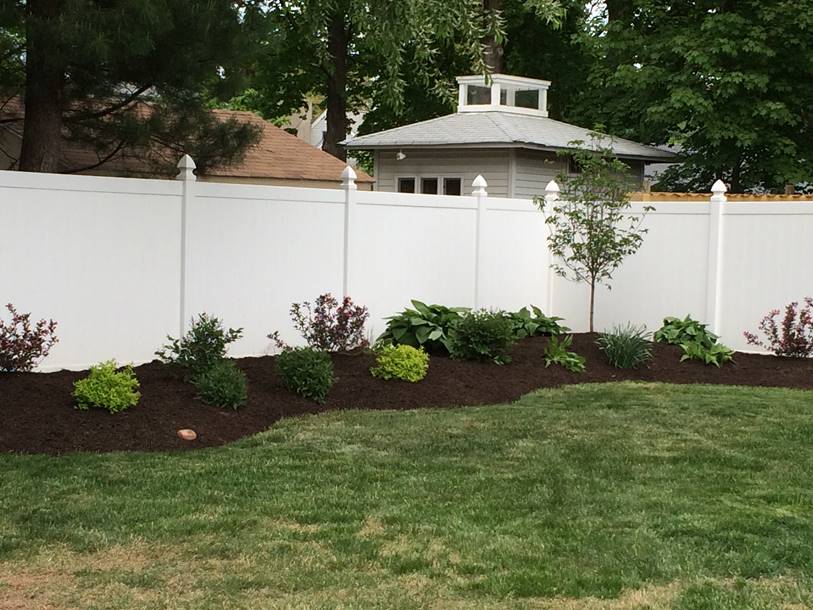


A small yard does not forgive neglect, but it rewards good decisions faster than a large property ever will. When every bed line, shrub, and paving edge sits within a few steps of the front door or patio, the whole space reads at once. That can feel limiting at first. In practice, it makes small-scale Landscape Maintenance one of the most satisfying kinds of outdoor work. A few thoughtful adjustments can sharpen the entire setting.
The biggest misconception I see is that compact landscapes should be treated like miniature versions of sprawling suburban yards. They should not. Large yards can absorb wasted motion, oversized plantings, and maintenance routines that are more habitual than deliberate. Small yards need sharper https://andreffdb551.iamarrows.com/landscape-maintenance-and-fertilization-getting-the-timing-right editing. They thrive when every plant earns its footprint, every material supports the intended look, and every maintenance task has a visible payoff.
Done well, maintenance in a small yard is less about constant labor and more about preserving proportions. The best tiny landscapes feel composed, almost effortless. You notice the texture of a clipped shrub against warm stone, the way a narrow border softens a fence, or how a clean path makes the entire yard feel bigger. None of that happens by accident.
Small spaces magnify every choice
A neglected corner in a half-acre backyard can disappear into the background for weeks. In a courtyard, side yard, or compact front garden, the same neglected corner becomes the yard. The hose left out, the spent blooms hanging on too long, the ornamental grass that flops over a walkway, the weeds in paver joints, all of it becomes visually loud because the scale is tight.
That same visual compression works in your favor when maintenance is thoughtful. Freshly defined bed edges can make a small lawn look intentional instead of accidental. Pruning a foundation shrub back into proportion can restore sightlines and architecture. Replacing one tired annual display with a restrained combination of foliage plants can make the whole space feel more expensive.
People often assume small yards require almost no upkeep. The truth is more nuanced. They usually require fewer labor hours overall, but they benefit from more precision. Ten minutes spent deadheading, sweeping hardscape, and tidying containers can matter more than an hour of broad, unfocused work in a larger landscape. The scale turns maintenance into design.
Start with the visual anchor points
If you want a small yard to feel polished, identify what the eye lands on first. In most compact spaces, there are only a handful of primary visual anchors. The front walk, the entry planting, a patio view from indoors, a fence line, a specimen shrub, or a pair of containers by the door. Those spots deserve disproportionate attention because they set the tone for everything around them.
I often advise homeowners to stand inside the house and look out through the most-used windows. That perspective reveals more than walking the yard does. You quickly see where clutter interrupts clean lines, where growth is out of scale, and which plants carry the scene during different seasons. A small backyard viewed through sliding doors behaves almost like an interior room. The maintenance standard should reflect that.
This is where restraint matters. One overgrown shrub in a 15-by-20-foot yard can swallow a seating area. One mismatched replacement pot can throw off the balance at the entry. One patchy area of turf can make the whole garden feel tired. You do not need dozens of interventions. You need the right few, maintained consistently.
Design maintenance into the plant palette
The easiest small yards to care for are usually not the ones with the fewest plants. They are the ones with the right plants. There is a difference. Bare spaces often invite weeds, harsh reflected heat, and a thin, unfinished look. Overplanted spaces become fussy and crowded. The sweet spot is a layered planting plan that covers soil, repeats forms, and grows at a scale the yard can support for years.
This is where experience saves money. Garden center tags tend to describe a plant at sale size or under ideal conditions, not at its mature width after three strong seasons in decent soil. A shrub that reaches six feet wide has no business being squeezed into a three-foot foundation strip unless you enjoy pruning it every six weeks. In small yards, that kind of mismatch turns maintenance into correction.
Choose plants that hold shape with light grooming rather than constant shearing. Dwarf yaupon holly, compact boxwood alternatives suited to your climate, mounding grasses, and small-leaved evergreen shrubs often perform well because they maintain structure without looking tortured. Perennials should be selected for a long season of good foliage, not just a brief flower show. In small spaces, ugly foliage after bloom lingers in plain view.
Groundcovers do more than fill gaps. They quiet a space visually, reduce splash from irrigation, and suppress a surprising amount of weeding when established. A mass of one reliable groundcover usually looks stronger than five different little plants collected over time. Repetition creates calm, and calm makes a small yard read as larger.
Scale is the maintenance issue nobody talks about enough
People tend to frame scale as a design topic, but on small properties it is also a maintenance topic. Plants that outgrow their allotted space force repetitive pruning, distort circulation, block light, and crowd out neighboring plants. Furniture that is too deep makes patios feel cramped. Containers that are too tiny dry out twice as fast in summer. Pavers that are too small for the architecture can create visual busyness, which means every stray leaf and stain becomes more noticeable.
A compact landscape with proper scale is simply easier to maintain because fewer elements are fighting the site. You are not constantly cutting back a shrub from the path. You are not replanting stressed annuals every month because their pots bake in afternoon sun. You are not edging awkward curves that add work without improving the look.
One of the best improvements I ever saw in a narrow urban backyard was the removal of three undersized decorative elements: a tiny birdbath, a small arbor, and a collection of mismatched pots. None was offensive on its own. Together they made the yard feel cluttered and smaller than it was. Replacing them with one substantial container, a simple bench, and a clean run of planting along the fence cut maintenance and improved the visual impact overnight.
Hardscape cleanliness carries enormous weight
In small yards, hardscape is often a larger percentage of the overall space. That means patios, walks, stepping stones, retaining edges, gravel, and fences need regular attention. A compact garden with immaculate paving and average plants generally looks better than a lush planting wrapped around dirty, mossy, weed-filled hardscape.
Sweep often. It sounds basic because it is. Leaves trapped against house walls stain surfaces. Decomposing debris in corners creates moisture and encourages pests. Fine gravel kicked onto pavers makes the area feel messy even when the plants look good. On small patios, a quick sweep can change the entire mood of the yard in five minutes.
Pay special attention to joints and seams. Weeds in paver joints are more than a nuisance. They blur edges and make a maintained space look abandoned. The same goes for grass creeping into decomposed granite, mulch spilling over walkway borders, or vines attaching to painted fences. Small-scale landscapes depend on crisp transitions. Once those transitions soften too much, the whole composition loses strength.
Pressure washing has its place, but use judgment. Some stone and older mortar do not respond well to aggressive cleaning. Often, a gentler scrub and rinse is enough. The goal is not to make every surface look brand new. It is to remove the kind of dirt and buildup that distract from the structure of the space.
Pruning for shape, not punishment
Bad pruning is especially obvious in a small yard. Rounded shrubs hacked into meatball shapes, crape myrtles butchered to stubs, sheared flowering plants that never get the chance to bloom, these mistakes dominate the view because there is nowhere else for the eye to go.
Good pruning in compact spaces is more selective. It aims to preserve the natural habit of the plant while keeping the footprint and sightlines appropriate. That usually means thinning, reducing by branch back to a lateral, and occasionally lifting lower growth to reveal trunk or create air beneath the canopy. It rarely means shaving everything into uniform domes.
One practical rule helps tremendously: prune earlier and lighter. Homeowners often wait until growth becomes a problem, then cut too hard. In a small yard, that cycle produces visual shock. A modest trim at the right time is easier on the plant and far better for the look of the space.
Here are the maintenance priorities that matter most in compact landscapes:
- Keep edges crisp, because they frame the entire yard.
- Prune for proportion before plants touch paths, walls, or windows.
- Remove weeds when they are small, especially in joints and gravel.
- Refresh mulch lightly and evenly, without piling it against stems.
- Clean hardscape and containers often enough that dirt never becomes the dominant visual story.
Those five actions do more for visual impact than many expensive upgrades.
Water management can make or break the look
Small yards often suffer from opposite watering problems at the same time. Containers dry out too quickly, while planting beds near downspouts stay too wet. Narrow side yards may receive reflected heat from fences and walls, while a courtyard shaded by the house can stay damp longer than expected. Maintenance needs to respond to microclimates, not just the overall weather report.
This is another reason compact landscapes benefit from zoning. If irrigation is automated, separate turf, containers, and shrub beds whenever possible. A single schedule for everything is rarely appropriate. Overwatered shrubs become leggy and disease-prone. Underwatered containers lose their finish first, which is a problem when those containers sit at the entrance or anchor a patio.
Mulch earns its keep here, but only when applied correctly. Two to three inches is usually plenty in planting beds. More is not better. Excess mulch can hold too much moisture against crowns and trunks, and in very small yards it often looks bulky and artificial. Fine-textured mulch tends to look more refined in tight spaces than chunky bark, though style and regional norms matter.
If a bed repeatedly struggles, do not assume the plant is the issue. Check drainage, heat exposure, and runoff patterns. I have seen homeowners replace the same failing plant three times when the real problem was water from an adjacent patio draining into the bed during storms. A small correction to grade or irrigation often solves what endless plant replacement cannot.
Lawn, no lawn, or just enough lawn
Turf is emotionally charged in landscaping, but in small yards the practical question is simpler: does the lawn contribute enough visual and functional value to justify the maintenance? Sometimes the answer is yes. A modest patch of healthy, neatly edged grass can provide relief between hardscape and planting beds, brighten the yard, and give children or pets a place to use. Sometimes the answer is no. A narrow strip that is always shaded, trampled, or difficult to mow can drain time without improving the design.
If you keep lawn, keep it sharp. In a small yard, mowing height, edge definition, and color matter more than square footage. Uneven cuts and ragged borders are instantly noticeable. On the other hand, if turf is reduced or removed, the replacement should not feel like a compromise. Expanded planting beds, gravel courts, low groundcovers, or well-detailed paving can all create a stronger, lower-maintenance outcome if designed with intention.
I often recommend honesty over nostalgia. If the yard can only support a 100-square-foot lawn and it struggles year after year, there is no virtue in forcing it. A well-planted bed with one sculptural shrub, a carpet of groundcover, and room for seasonal containers may deliver a cleaner look with less maintenance and more impact.
Containers are high impact, but they are not low maintenance
In small landscapes, containers do a lot of heavy lifting. They can mark an entry, soften a corner, bring height to a flat patio, or add seasonal color without major replanting. They are also one of the quickest ways to make a compact yard feel tended. Even a simple arrangement of evergreen structure with one trailing accent can elevate the whole space.
They do, however, need regular attention. Potting mix breaks down. Drainage holes clog. Summer watering demands can become daily in hot climates, especially for dark containers against masonry walls. Dead foliage and mineral buildup show quickly. If you use containers, commit to maintaining them properly.
One approach I have found effective is to keep the permanent structure simple. Use one or two reliable evergreen or architectural plants that stay attractive most of the year, then change out a modest seasonal accent rather than redoing the whole pot. This controls cost, reduces disturbance to roots, and keeps the display looking steady instead of frantic.
Container size matters more than many people realize. Slightly larger pots buffer temperature swings, hold moisture longer, and generally look more appropriate in small spaces than clusters of tiny pots. A pair of well-scaled containers often outperforms six small ones both visually and in terms of maintenance.
Seasonal rhythm keeps small yards looking intentional
Because compact landscapes are seen as a whole, they benefit from a simple seasonal rhythm. You do not need elaborate rotations. You need timely interventions that prevent the yard from slipping into a tired phase.
A useful yearly rhythm looks like this:
- In early spring, clean out winter debris, cut back dormant perennials, and inspect irrigation before growth surges.
- In late spring and early summer, shape fast-growing shrubs, top up mulch as needed, and replant or refresh containers.
- In mid to late summer, focus on watering consistency, deadheading, light grooming, and keeping hardscape clean.
- In fall, remove leaf buildup promptly, reduce diseased foliage, and reset edges before winter settles in.
- In winter, prune select dormant plants, evaluate structure, and decide what needs simplifying before spring buying begins.
That cycle keeps maintenance from becoming reactive. It also helps you make better choices. Winter is often when design problems reveal themselves most clearly. Without the distraction of peak bloom, you can see whether the bones of the space are strong enough.
When less maintenance actually means more visual impact
The most successful small yards are rarely packed with novelty. They are edited. Fewer plant varieties, repeated materials, and a restrained color palette usually create a stronger impression than a collection of one-off features. Maintenance becomes easier because the eye understands the space. There is less visual static.
This does not mean small yards must be minimal or severe. It means they benefit from consistency. A run of the same border plant along a fence looks deliberate and calming. Matching containers by the entry feel composed. Repeating one stone or gravel tone across different zones ties the yard together. Once that coherence exists, routine Landscape Maintenance protects it instead of fighting against it.
There is also a budget lesson here. Many homeowners think impact comes from adding. Another ornamental tree, another accent light, another decorative panel, another quirky pot. In compact spaces, impact often comes from subtracting and refining. Remove what is weak, maintain what remains at a high standard, and the yard starts to look custom.
The small-yard advantage
A large landscape can be impressive. A small one can be unforgettable. There is intimacy in a compact yard that bigger properties often struggle to achieve. You notice scent, texture, shadow, and detail. Maintenance has a direct line to atmosphere. Clean the paving, sharpen the edges, water properly, prune with restraint, and the whole place changes character.
That is the real promise of Landscape Maintenance in a small yard. It is not endless upkeep for its own sake. It is a disciplined way to protect scale, clarity, and comfort. When the space is small, every action carries farther. That can be unforgiving when maintenance slips, but it is exactly what makes the payoff so satisfying when the work is done well.
Majestic Mowing & Landscaping LLC
Phone number: +19733975532
FAQ About Landscape Maintenance
What is landscape maintenance?
Landscape maintenance is the ongoing care, cleaning, and upkeep of outdoor green spaces to keep them healthy, safe, and attractive.
Is $100 an hour too much for landscape work?
An hourly rate of $100 is not too much for specialized or professional landscape work, though it sits at the higher end of the standard pricing spectrum.
How much do landscapers charge for maintenance?
For professional landscaping maintenance, homeowners typically pay $100 to $410 per month for recurring services, or an hourly labor rate of $50 to $100 per hour per crew member.